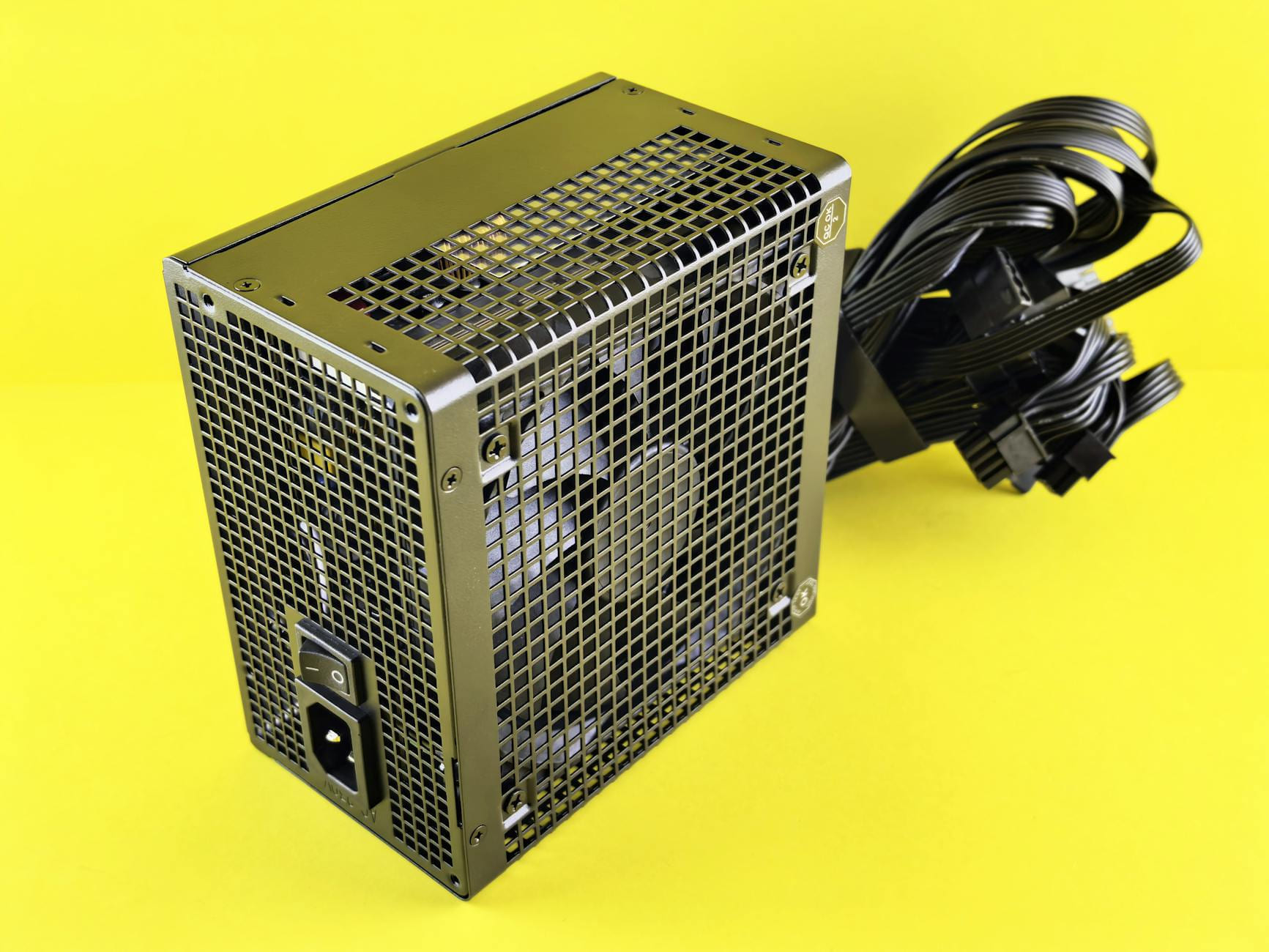
| Item 1 | Item 2 | Item 3 | Item 4 |
|---|---|---|---|
| 20 | 82-87% | 87-92% | |
| 50 | 85-90% | 90-94% | |
| 100 | 87-94% | 92-96% |
You’ll also notice that Gold PSUs tend to run cooler and quieter because they aren’t working as hard. Less heat means less fan noise, which is a big plus when you’re trying to get lost in a game.
Saving Some Money (Seriously) (Gold PSUs)
Okay, let’s talk about the bottom line. You might be thinking, “Is it really worth paying extra for a Gold PSU?” It’s a valid question. But over the PSU’s lifetime, those efficiency gains can translate to actual savings on your electricity bill. A rough estimate is that a Gold PSU could save you between $5 and $15 per year, depending on your location and how much you game. It’s not a massive amount, but it’s a nice little bonus, and it could also help extend the life of your other components by reducing heat. Keep in mind these are just estimates, and your actual savings will vary.
Understanding PSU Efficiency: Beyond the Numbers
Let’s dive a little deeper into what those efficiency percentages actually mean. The 80+ certification program, developed by the Electronic Products Association (EPA), rates power supplies based on how efficiently they convert AC power from your wall outlet into DC power your components need. It’s not just about saving money; it’s about reducing wasted energy and minimizing heat generation. The higher the percentage, the more efficient the PSU.
- Bronze (82-87%): This is the entry-level certification. It’s perfectly acceptable for budget builds and less demanding gaming setups. However, you’ll be losing a bit more power to heat and inefficiency.
- Gold (87-92%): This is the sweet spot for most gamers. It offers a significant improvement in efficiency compared to Bronze, leading to lower electricity bills and less heat.
- Platinum (92-96%): This is the top tier, reserved for high-end systems and users who prioritize maximum efficiency. While the savings are smaller than with Gold, it’s still a worthwhile investment for long-term energy savings.
- Titanium (80-83%): These are rare and typically found in very high-wattage PSUs designed for extreme builds. They're often overkill for standard gaming PCs.
It's important to note that these percentages are achieved under specific laboratory conditions. Real-world performance can vary slightly depending on the load and operating environment.
Noise and Build Quality - The Details Matter
Beyond the efficiency figures, there’s a noticeable difference between Bronze and Gold PSUs. Gold PSUs almost always have quieter fans - often 120mm fans - and they tend to spin slower because the PSU isn’t under as much strain. This makes a big difference in the overall sound of your PC. You might not even notice the fan spinning at all in quieter modes. Lower fan speeds also contribute to a longer PSU lifespan, as fans are a common point of failure.
Plus, Gold PSUs are usually built with higher-quality components, which generally means they’re more reliable and last longer. This includes things like Japanese capacitors, which are known for their stability and longevity. Bronze PSUs often use cheaper, Chinese-made components that may degrade faster. Consider the PSU as a critical component - you don’t want it failing unexpectedly, potentially damaging other parts of your system.
Another key difference is cable management. Gold PSUs frequently come with modular or semi-modular designs. Modular PSUs allow you to connect only the cables you need, eliminating excess wires and creating a cleaner, more organized build. This not only looks better but also improves airflow within your case, further reducing temperatures. Semi-modular PSUs have some cables permanently attached, while others are detachable.
The Importance of Ripple and Noise
While efficiency and build quality are crucial, don't overlook ripple and noise. These are fluctuations in the DC voltage that can negatively impact the performance and stability of your components. Gold PSUs typically have lower ripple and noise levels than Bronze models. Excessive ripple can cause instability, leading to crashes, freezes, and even data corruption. Tools like a multimeter can be used to measure ripple and noise, but for most gamers, relying on reputable brands known for quality is sufficient.
Making a Smart Choice: Recommendations for 2026
- Under $75: You can definitely find a decent 80+ Bronze PSU in this price range. It’s fine for a basic gaming build, but be aware that it might be a bit noisier and less reliable.
- $75 - $120: This is where you’ll start seeing a lot of solid 80+ Gold PSUs. You’ll get a good balance of efficiency, noise, and build quality.
- $120+: At this point, you’re looking at premium Gold PSUs or even entry-level Platinum models. These offer the best performance and longevity. For example, a Corsair CX550M (around $85) is a reliable Bronze option. If you’re willing to spend a little more, the Seasonic FOCUS GX-550 (around $110) provides excellent performance and quiet operation. The be quiet! Straight Power 11 is another popular choice known for its silent operation.
Wattage Considerations and PSU Calculators
Choosing the right wattage is just as important as choosing a PSU with a good efficiency rating. Undersizing your PSU can lead to instability and component damage, while oversizing it is a waste of money. A PSU wattage calculator (easily found online - Newegg and OuterVision are good resources) can help you estimate your system’s power requirements. These calculators take into account your CPU, GPU, RAM, storage devices, and other components. As a general rule, for a mid-range gaming PC, you'll likely need a 550W to 750W PSU. For high-end builds with powerful GPUs, you might need 850W or even 1000W.
Beyond the PSU: Cable Management and Case Airflow
A good PSU is only part of the equation. Proper cable management is essential for maintaining good airflow within your PC case. Use zip ties, Velcro straps, and cable sleeves to keep cables organized and out of the way of fans. Investing in a case with good airflow and adding extra fans can further improve cooling performance. A well-ventilated case helps your PSU run cooler, extending its lifespan and improving its efficiency.
Warranty and Reputation - Don't Skimp Here
Finally, consider the warranty offered by the manufacturer. A longer warranty provides peace of mind, knowing that you’re covered if something goes wrong. Also, research the brand's reputation. Stick with well-known and respected brands like Seasonic, Corsair, be quiet!, and EVGA. Read online reviews and forums to get a sense of other users’ experiences.
Final Thoughts
Choosing a PSU isn’t always the most exciting part of building a PC, but it’s absolutely essential. Don’t just grab the cheapest option - a little extra investment in a Gold PSU will pay off in the long run with lower electricity bills, quieter operation, and greater peace of mind. Do your research, read reviews, and consider a PSU wattage calculator to ensure you’re getting enough power for your components. And remember, a good PSU is the foundation for a stable and enjoyable gaming experience. Want to double-check your wattage needs? the recommendations below ---
Keep This Practical
A better setup usually comes from one smart hardware decision at a time. Match the upgrade to your games, monitor, and budget instead of chasing every enthusiast talking point.
Tools Worth A Look
The products here work best for readers who want performance, comfort, or setup improvements with a clear gaming payoff.
- Geometric Future M5 Tempered Glass Mid Tower, E-ATX/ATX Gaming Case, 1.2mm Steel, Type C, Toolless Panels, Support 420/360 RadiatorGMKtec K13 Mini PC Intel Ultra 7 256V 115Tops SK Hynix LPDDR5X 8533 MT/s PCIe 4.0 SSD Intel ARC 140V Desktop Mini ComputerHORI Wireless Racing Wheel Apex for Playstation 5, PlayStation 4 and Windows 11/10GEARit Cat 6 Ethernet Cable PackFIFINE Gaming USB Microphone for PC PS5, Condenser Mic with Quick Mute, RGB Indicator, Tripod Stand
Some of the links on this page are Amazon affiliate links, which means I may earn a small commission if you make a purchase through them. As an Amazon Associate, I earn from qualifying purchases.
Related ReadingMore from Frame Rate Vault
Level Up Your Setup: Gaming Peripherals
make a real difference when they improve comfort, control, and audio clarity. Here is how to think through mice, keyboards, and headsets without getting distr...
Ultrawide Monitor Choices for Smooth Gaming
: ------------------, ----------------, ----------------, ----------------. Contrast: Infinite, Excellent, Very
Ultrawide Monitor Mistakes: Gaming Reviews
Gaming Monitor Reviews (Ultrawide) Mistakes to Avoid - Level Up Your Setup 1. Resolution: Don’t Just Go Biggest (Ultrawide Monitor) Ultrawide Monitor can be easier.