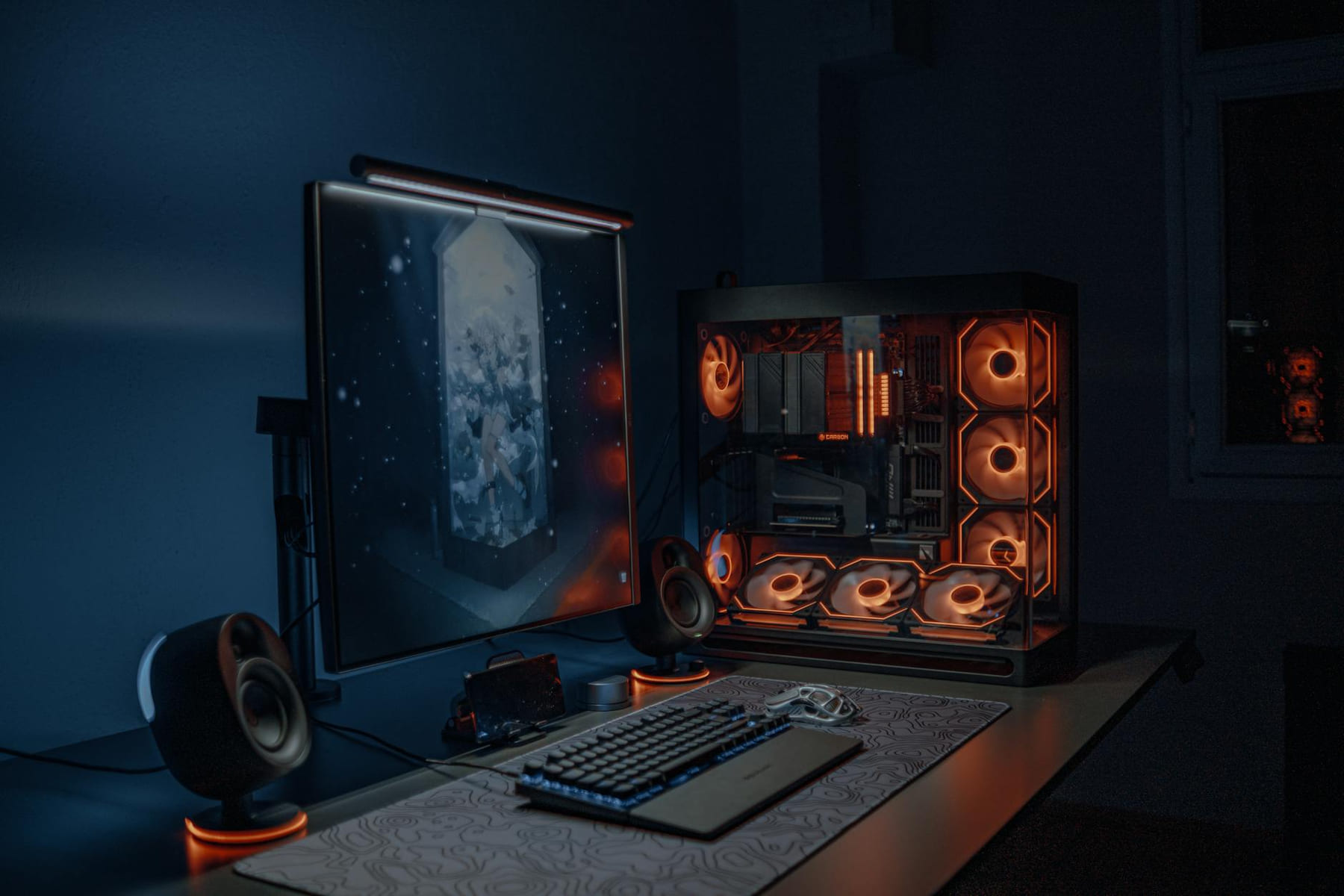
Beyond the Beige Box: Exploring PC Themes (Level Up Your Build)
JayzTwoCents (YouTube)
- Fantastic tutorials and build logs. Used consistently, this point becomes more useful than it first appears.
Linus Tech Tips (YouTube)
- In-depth reviews and build guides. The practical version is usually the one you can apply without adding extra friction.
Reddit r/buildapc
- A vibrant community for asking questions and sharing builds. This works best when you keep the next move specific enough to try right away.
Start with what you will actually use
A lot of options sound great until you picture them in a normal week. If the setup is fussy, the routine is easy to forget, or the maintenance is annoying, the appeal fades quickly. Used consistently, this point becomes more useful than it first appears.
There Is Also Value Keeping One
There is also value in keeping one part of the process deliberately simple. Readers often do better when they identify the one decision that carries the most weight and make that choice carefully before they chase smaller optimizations. That keeps momentum steady and usually prevents the topic from turning into clutter.
What To Do Next
Use the ideas above to choose one clear next move, test it in your own situation, and keep refining from there. That approach tends to produce better long-term decisions than trying to solve everything at once.
Start with what you will actually use
A lot of options sound great until you picture them in a normal week. If the setup is fussy, the routine is easy to forget, or the maintenance is annoying, the appeal fades quickly.
There is also value in keeping one part of the process deliberately simple. Readers often do better when they identify the one decision that carries the most weight and make that choice carefully before they chase smaller optimizations. That keeps momentum steady and usually prevents the topic from turning into clutter.
What tends to get overlooked
Tradeoffs are normal here. Cost, convenience, upkeep, and flexibility do not always line up neatly, so it helps to decide which tradeoff matters least to you before you commit.
This usually gets easier once you make a short list of priorities. A tighter list tends to produce better decisions than trying to solve every possible problem at once.
Another useful filter is asking what you would still recommend if the budget got tighter, the schedule got busier, or the setup had to be easier for someone else to manage. The answers to that question usually reveal which advice is durable and which advice only works under ideal conditions.
How to keep the setup simple
The version that holds up best is usually the one you can live with on an ordinary day. That often matters more than the version that only feels good when you have extra time, energy, or money.
That is why the best next step is often a modest one with a clear upside. You want something specific enough to act on, flexible enough to adjust, and practical enough that you would still recommend it after the first burst of enthusiasm fades.
Costs that show up later
You do not need the flashiest answer here. You need the one that fits your space, budget, and routine well enough that you will still feel good about it after the first week.
In a topic like PC hardware and gaming gear, manageable almost always beats impressive. If something is simple enough to keep using, it is usually doing more real work for you.
Readers usually get better results when they treat advice as something to test and refine, not something to obey perfectly. That mindset creates room for real judgment, which is often the difference between content that sounds smart and guidance that is actually useful.
What is worth skipping
The options that age well are usually the ones that are easy to repeat. Reliability and low hassle often matter more than the most impressive-looking feature list.
A realistic next step
If this topic still feels crowded or overcomplicated, that is usually a sign to narrow the decision, not a sign that you need more noise. One careful adjustment, followed by honest observation, tends to teach more than another round of abstract tips.
A grounded next step is usually better than a dramatic one. Pick one realistic change, see how it works in normal life, and let that result guide the next decision.
Leave a little room to adjust as you go. A setup that works in one budget range, season, or routine might need a small change later, and that is usually normal rather than a sign you got it wrong.
Keep This Practical
PC upgrades pay off most when they fix the bottleneck you actually feel in play. Start with the part that improves performance, cooling, or comfort in the way you notice every session.
Tools Worth A Look
If the article helped you narrow the hardware decision, the recommendations below are the most relevant next step.
- NBCP 1080 Degree Gaming Steering Wheel with Hall Effect Metal Pedals and 6-Speed H-Pattern Shifter-Magnetic Induction Sim Racing WheelFIFINE Wired Gaming Headset, USB Headphone with 7.1 Surround SoundThrustmaster TH8S Shifter Add-On for PS5, PS4, Xbox Series X|S, One, and PC – Sim Racing Gear with H-Pattern Shifter Plate, CompatibleGeometric Future M5 Tempered Glass Mid Tower, E-ATX/ATX Gaming Case, 1.2mm Steel, Type C, Toolless Panels, Support 420/360 RadiatorNBCP PC Racing Wheel - 1080 Degree 28CM 11" Steering Wheel with 3-Pedals and H-Shifter - Magnetic Induction & Metal Bearings, Sim Driving Wheel
Some of the links on this page are Amazon affiliate links, which means I may earn a small commission if you make a purchase through them. As an Amazon Associate, I earn from qualifying purchases.
Related ReadingMore from Frame Rate Vault

Budget PC Builds: Getting Started
Budget PC Builds can be easier to approach when you start with a few practical basics. GPU: 30-35% - The graphics powerhouse. Motherboard: 10-15% - Connects.

Budget PC Build Checklist: Your Starting Point
is easier to make sense of when you break it down into the part that matters most first. Instead of chasing every option at once, it usually helps to focus on what.

Budget PC Builds: Smart Savings for Gamers
(Budget) - Level Up Your Game Without Breaking the Bank Custom PC Builds (Budget) - Level Up Your Game Without Breaking the Bank 2. Motherboa...