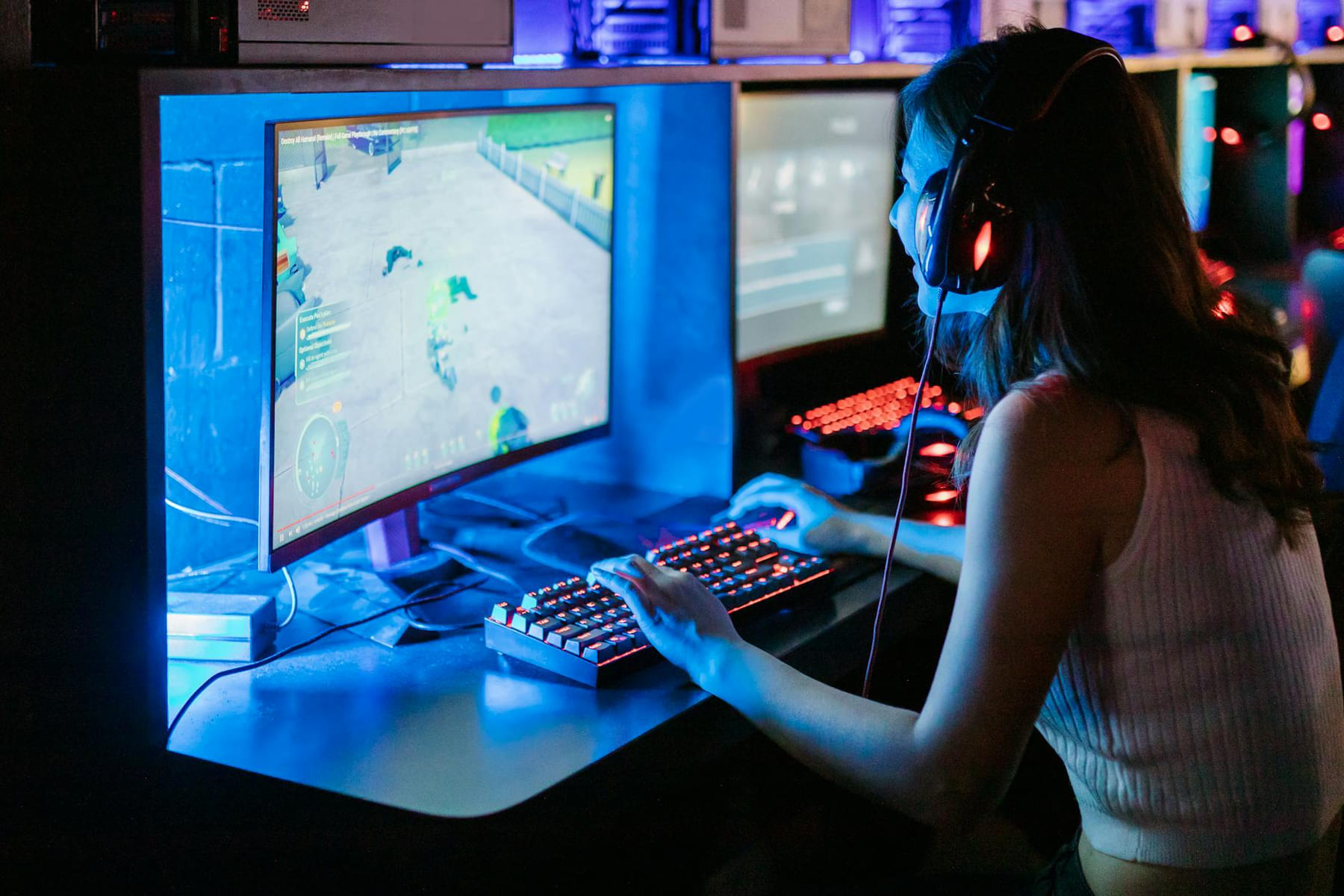
Frame Rate can be easier to approach when you start with a few practical basics.
Let’s be honest - that brand-new graphics card or the painstakingly assembled custom PC you’ve been working towards can sometimes feel a little underwhelming. Constant lag spikes or sudden freezes can really put a damper on things. It’s not just about grabbing the fastest, flashiest gear; it’s about making sure your hardware actually performs consistently and lasts you a good while. this post is for PC gamers and enthusiasts who want to get the most out of their investment and ensure their system runs smoothly - whether you’re building a brand new machine or trying to squeeze a little extra life out of something you’ve had for a few years. It’s about smart practices, not just throwing money at the problem.
Keeping Things Cool: CPU Thermal Management (Frame Rate)
Your CPU is the heart of your system, and like any vital organ, it doesn't like getting too hot. Maintaining consistent temperatures isn’t just about keeping things running; it directly impacts how well your system performs. When your CPU gets too hot, it will automatically slow down to prevent damage - essentially reducing its speed to avoid overheating. This can be a frustrating experience, especially during intense gaming sessions. There’s a whole world of cooling solutions out there, and the best one for you depends on your budget and how much performance you’re after. Air coolers are still a reliable choice, particularly for mid-range processors. A good quality air cooler can provide excellent temperatures, but liquid cooling - both All-in-One (AIO) coolers and custom loops - offers superior heat dissipation, especially for high-end processors. AIOs are relatively straightforward to install and maintain, while custom loops offer the absolute best performance but require a bit more technical know-how. Beyond the hardware itself, optimizing your fan curve is hugely important. Most motherboards have software that lets you adjust the speed of your CPU fans. The default settings are often pretty conservative, so it’s worth experimenting to see if you can push them a little higher. You’ll want to find a balance - you don’t want your fans constantly screaming, but you do want them keeping things cool. A gradual increase, rather than a sudden jump, is often the most stable approach. Using monitoring tools is key to understanding what’s going on. Programs like HWMonitor (a free and reliable option), Ryzen Master (for AMD Ryzen processors), and Intel XTU (Intel’s utility) let you see real-time temperatures, clock speeds, and voltages. Take a look at your CPU’s temperature under load - during a demanding game or benchmark. Ideally, you want to keep it below 80°C, and even lower is preferable. If you’re consistently hitting 90°C or higher, you need to address the cooling situation. A quick tip: Start with a modest fan curve adjustment - perhaps increasing the fan speed by 10-15% at 70°C. Monitor your temperatures and adjust further as needed.
Unleashing Hidden Potential: GPU Overclocking & Stability
Overclocking your graphics card can really boost your frame rates, especially in demanding games. but it’s not a guaranteed win - it requires careful attention and a good understanding of the potential risks. The biggest risk is instability, which can lead to crashes and data corruption. Software like MSI Afterburner (compatible with many different cards) and EVGA Precision X1 (primarily for EVGA cards) are your go-to tools for GPU overclocking. These programs let you adjust core clock speeds, memory clock speeds, and voltage. It’s crucial to make small, incremental adjustments - increasing the clock speed by 25-50 MHz at a time. After each adjustment, you must run stability tests. Safe overclocking starts with voltage monitoring. Don’t just blindly increase the voltage; keep a close eye on it to ensure it stays within safe limits. Excessive voltage can damage your GPU. Generally, you’ll want to keep the voltage below 1.1V for most cards. Stress testing is absolutely critical. Tools like FurMark (use with caution - it’s very demanding on the GPU) and 3DMark (a popular benchmarking suite) simulate real-world gaming scenarios and help you identify instability. Run these tests for at least an hour, ideally longer, to ensure your overclock is stable. If you experience crashes or visual glitches (artifacts), reduce the clock speed or voltage. Finally, don’t underestimate the importance of a quality power supply unit (PSU). Overclocking increases power consumption, so you’ll need a PSU with enough headroom to handle the increased load. A PSU that’s too weak can cause instability and potentially damage your components.
Speed and Efficiency: RAM Optimization
RAM - Random Access Memory - is where your computer stores the data it needs to access quickly. Faster RAM can significantly improve gaming performance, particularly in games that rely heavily on memory bandwidth. XMP (Extreme Memory Profile) is a pre-configured setting on your RAM that makes it easy to enable its advertised speeds. Most RAM kits come with XMP profiles, but you need to enable them in your motherboard’s BIOS. This is usually a very straightforward process. CAS Latency (CL) is a measure of how quickly RAM can access data. Lower CL values generally result in faster performance, but the difference between different CL values isn’t always dramatic. Memory interleaving is how your RAM is divided across multiple memory channels. Ideally, your RAM should be interleaved effectively to maximize bandwidth. This is usually handled automatically by your motherboard, but it’s worth checking your motherboard’s manual to ensure your RAM is configured correctly. Identifying RAM bottlenecks can be tricky. Monitoring tools like HWMonitor can show you how much memory your system is using. If your RAM usage is consistently at 100%, you might have a bottleneck. The benefits of faster RAM aren’t always noticeable in every game, but they can make a real difference in CPU-bound games (games where the CPU is the bottleneck) and in tasks that are memory-intensive, like video editing and 3D rendering.
Beyond the SSD: Storage Performance
While SSDs have completely changed the game with PC storage, there’s still room for optimization. NVMe SSDs, which connect directly to the PCIe bus, are significantly faster than traditional SATA SSDs. NVMe drives are ideal for your operating system and frequently played games, while SATA SSDs can be used for storing less frequently accessed files. Drive indexing is the process of creating an index of the files on your drive. This allows your operating system to quickly locate files, which can improve load times. TRIM is a command that tells your SSD which data blocks are no longer in use and can be erased. This helps maintain SSD performance over time. Most modern operating systems automatically enable TRIM. Regularly defragmenting your hard drives (if you’re still using one for storage) can improve performance. but SSDs don’t benefit from defragmentation and it can actually shorten their lifespan. Focus on keeping your SSDs clean and TRIM enabled.
Proactive Care: System Maintenance
Maintaining your PC isn't just about buying new parts; it’s about keeping the ones you have running smoothly. Power Supply Maintenance: Regularly clean the dust filters on your PSU to prevent overheating. Also, check the voltages to ensure they are within safe limits. Peripheral Maintenance: Clean the switches on your keyboard and mouse to prevent sticky keys and buttons. Optimize your DPI settings on your mouse for comfortable and accurate control. Cable Management: Good cable management not only looks great but also improves airflow and makes it easier to work on your PC. Driver Updates & System Stability: Keep your drivers up to date to ensure optimal performance and compatibility. Using a clean boot can help you identify software conflicts.
Conclusion
Optimizing your PC hardware and gaming gear isn’t a one-time thing; it’s an ongoing process. By implementing these best practices - from careful CPU thermal management and GPU overclocking to RAM optimization and regular maintenance - you can significantly improve your system’s performance, stability, and longevity. Don’t be afraid to experiment and find what works best for your specific setup. A little bit of proactive care can go a long way in ensuring your PC continues to deliver the gaming experience you deserve. Ready to take the next step? Check out our guide on building a PC for beginners or explore our selection of the best cooling solutions to keep your components running cool.
Keep This Practical
PC upgrades pay off most when they fix the bottleneck you actually feel in play. Start with the part that improves performance, cooling, or comfort in the way you notice every session.
Tools Worth A Look
If the article helped you narrow the hardware decision, the recommendations below are the most relevant next step.
- Playseat® Challenge ActiFit™ – Foldable Racing Simulator Cockpit for PlayStation, Xbox, PC & Mac Gearshift SupportRedragon M908 Impact RGB LED MMO Gaming Mouse with 12 Side Buttons, Optical Wired Ergonomic Mouse with Max 12,400DPI, High PrecisionTewiky Full HD Webcam with Built-in Microphone and Rotatable Tripod, 1080P Video and Wide Angle Camera, Privacy Cover, for Desktop PC or Laptop ComputerNext Level Racing GTTrack Simulator Cockpit (NLR-S009)CNRAQR PC USB Simulator Shifter 7+R H Gear Shifter with L Shape Clamp Set for Gear shift PC Windows Steering Compatible with G29/G27/G25, T300RS/GT Wheel
Some of the links on this page are Amazon affiliate links, which means I may earn a small commission if you make a purchase through them. As an Amazon Associate, I earn from qualifying purchases.
Related ReadingMore from Frame Rate Vault
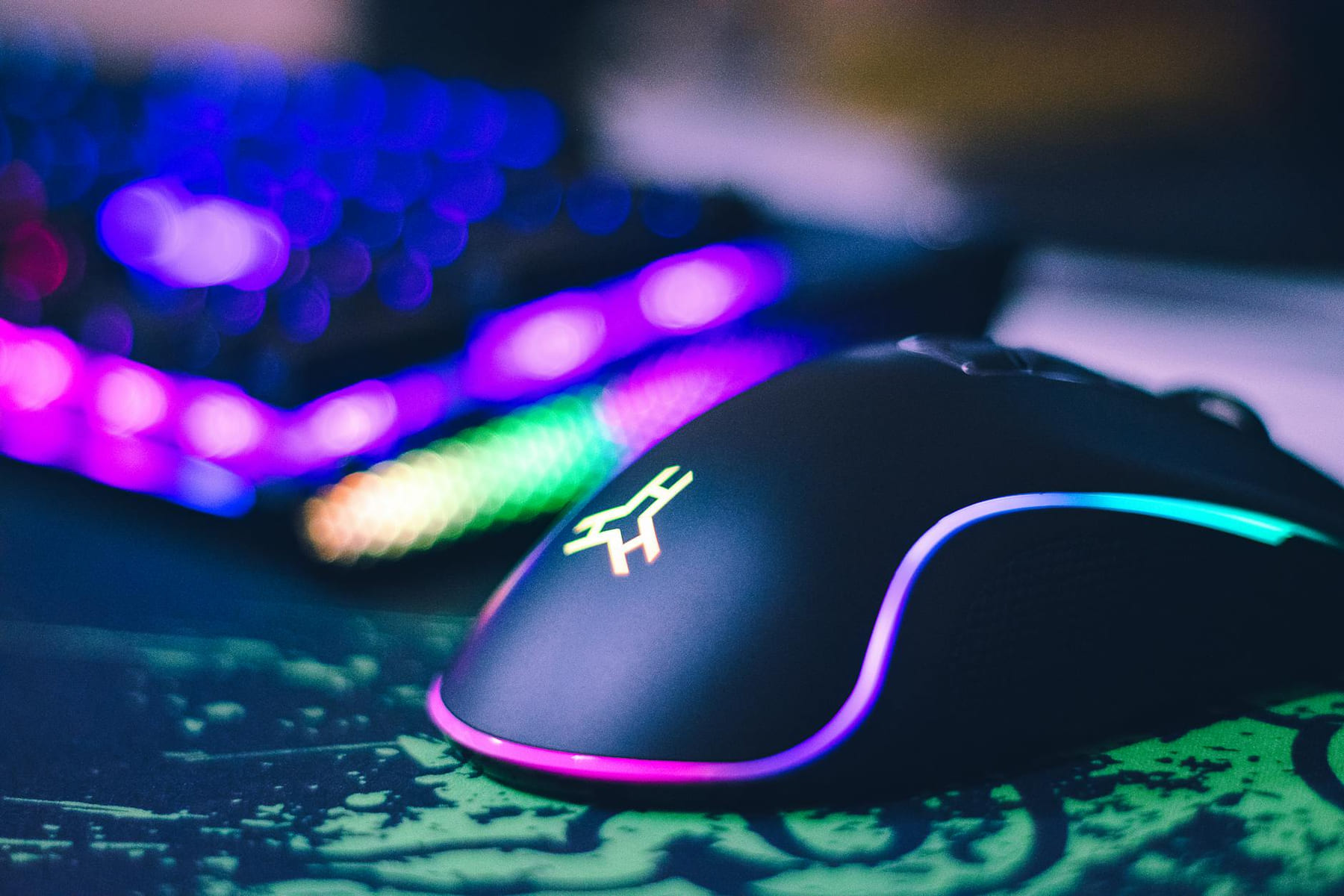
Level Up Your Setup: Gaming Peripherals
make a real difference when they improve comfort, control, and audio clarity. Here is how to think through mice, keyboards, and headsets without getting distr...
Ultrawide Monitor Choices for Smooth Gaming
: ------------------, ----------------, ----------------, ----------------. Contrast: Infinite, Excellent, Very
Ultrawide Monitor Mistakes: Gaming Reviews
Gaming Monitor Reviews (Ultrawide) Mistakes to Avoid - Level Up Your Setup 1. Resolution: Don’t Just Go Biggest (Ultrawide Monitor) Ultrawide Monitor can be easier.