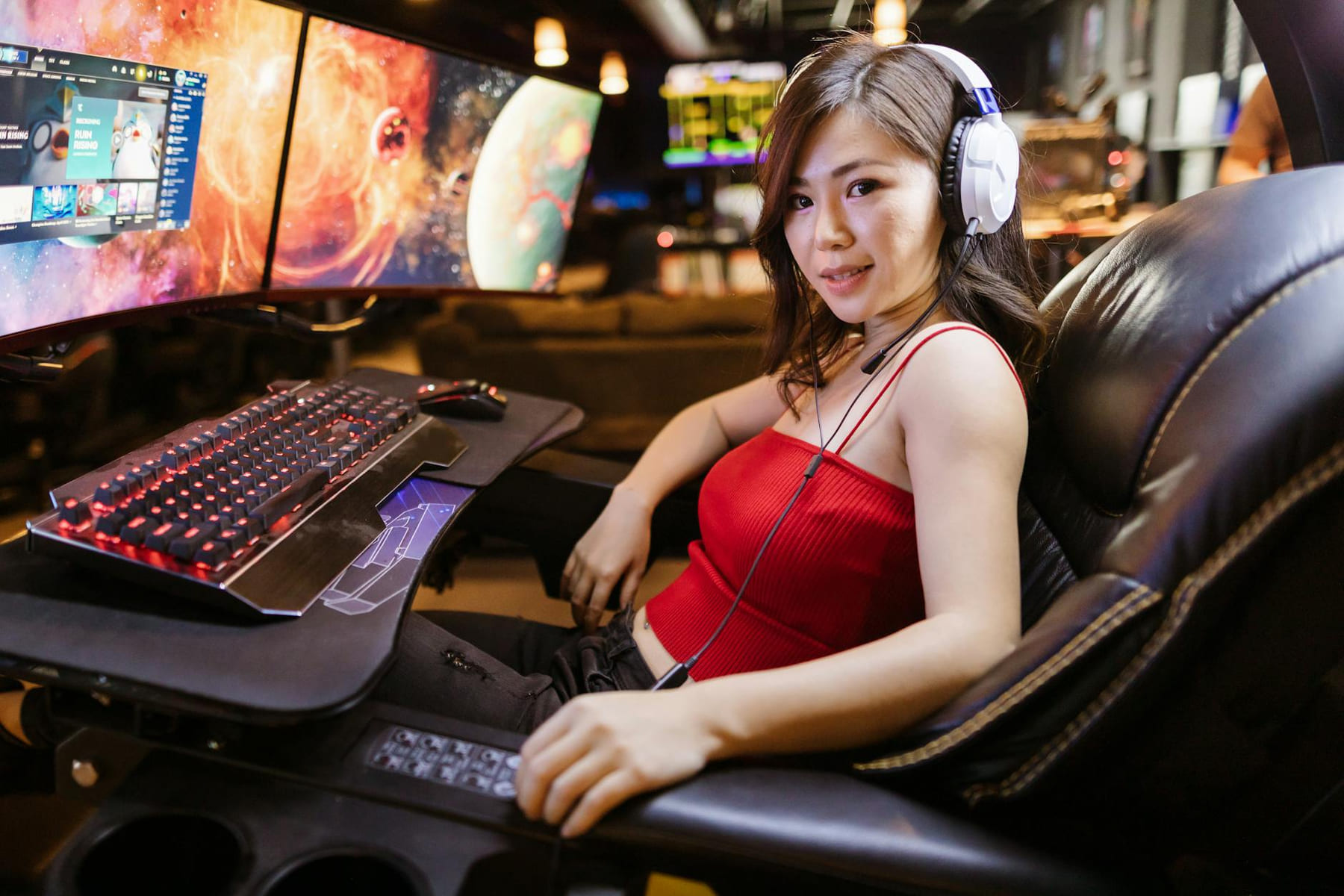
Gaming Monitor Tech Deep Dives: Best Practices for 2026
April 01, 2026 - Welcome to Frame Rate Vault! In 2026, the gaming landscape is dominated by incredibly powerful PCs and graphics cards, but a stunning visual experience isn’t solely determined by your GPU. Your monitor plays a massive role, and getting it dialed in correctly can be the difference between a smooth, immersive game and a frustrating, laggy one. This deep dive will break down the key technologies, settings, and best practices to help you unlock the full potential of your gaming monitor. We’ll go beyond just chasing the highest refresh rate and focus on the nuanced details that truly impact your gameplay.
The Root of the Problem: Input Lag & Visual Artifacts (Monitor Tech)
Let’s start with the basics. Input lag is the delay between your actions (pressing a button, moving the mouse) and seeing the result on the screen. It’s a silent killer of responsiveness, and even a small amount of lag can feel jarring, especially in fast-paced games. Several factors contribute to input lag, and understanding them is the first step to fixing it. Post-processing effects, like motion blur, anti-aliasing, and depth of field, can introduce noticeable input lag. These effects, while visually appealing, add extra calculations and rendering steps that slow down the display. Furthermore, a monitor with a slow response time - measured in milliseconds (ms) - can lead to ghosting and blurring, which also significantly contributes to that feeling of lag. A monitor with a response time of 5ms feels noticeably different than one with a 10ms or 20ms response time. It’s a subtle difference, but it accumulates over time and can drastically impact your reaction time.
Monitor Response Time: The Speed Factor
As mentioned above, response time is critical. Ideally, you want a monitor with a response time of 1ms or less, often referred to as “GTG” (Gray-to-Gray) response time. This means the time it takes for the panel to transition between shades of gray. Lower is always better. While marketing terms like "fast response time" are common, look for specific numbers. Many modern monitors now offer 0.5ms or even 0.1ms response times, offering a truly responsive gaming experience. Keep in mind that response time is just one piece of the puzzle; panel technology also plays a significant role.
Panel Technologies & Color Accuracy
You’ll encounter four main types of monitor panels: OLED, MiniLED, IPS, and VA. Each has its strengths and weaknesses. Let’s break them down:
- OLED: Offers the best contrast and black levels, resulting in incredibly vivid images. Response times are exceptionally fast - often leading the pack. The downside? They can be expensive and susceptible to burn-in (though this is becoming less of an issue with newer technology due to advancements in pixel shifting and screen savers).
- MiniLED: Uses a vast array of tiny LEDs to control local dimming, dramatically improving contrast and brightness. They’re a good balance of performance and price, offering a significant upgrade over traditional LED backlighting.
- IPS: Known for their excellent color accuracy and wide viewing angles. Response times are generally good, but not as fast as OLED or VA. IPS panels are a solid choice for productivity and visually demanding games.
- VA: Offer the best contrast ratios of the bunch, making them ideal for dark scenes. Response times can be slower than IPS, but modern VA panels are significantly improved. They often provide a more cinematic experience for action games.
Calibration is Key: Even the best monitor can look dull if it’s not properly calibrated. DisplayCAL is a free, powerful calibration tool. Windows also has built-in calibration settings, but DisplayCAL offers more granular control, allowing you to fine-tune color accuracy to your specific preferences and monitor. Aim for a Delta E (ΔE) value of less than 3 for accurate colors. Anything above 3 indicates a noticeable color discrepancy.
HDR - Hype or Help?
HDR (High Dynamic Range) can significantly improve the visual experience, but it requires a properly calibrated HDR monitor and HDR content. Look for monitors that support HDR10 or Dolby Vision. HDR10 is the most common format, while Dolby Vision offers dynamic metadata that allows for scene-by-scene adjustments, providing a more consistent HDR experience. However, simply having HDR support doesn’t guarantee a good experience. A poorly calibrated monitor or content that isn't properly mastered for HDR will result in washed-out colors and a disappointing experience. Many monitors now have “Game HDR” modes, which are often less accurate than true HDR, so research carefully.
Adaptive Sync Optimization & Advanced Features
Don’t just assume your FreeSync or G-Sync is working perfectly. Fine-tuning the settings can make a big difference. Both technologies aim to eliminate screen tearing and stuttering by synchronizing the monitor’s refresh rate with the frame rate output by your graphics card. However, they aren't always perfect out of the box. Look for options like “Flicker Reduction” - it can significantly reduce eye strain, especially during long gaming sessions. Stuttering can sometimes be addressed by adjusting the adaptive sync settings; experiment with different modes (e.g., Enhanced Sync, Low Latency Mode).
Beyond the basics, there are some less common features worth exploring:
- VRR over HDMI: Allows you to use variable refresh rate on monitors connected via HDMI, even without a dedicated graphics card. This is particularly useful for streaming setups.
- Black Equalizer: Attempts to brighten dark areas of the screen to make them more visible, but it can wash out the image. Use with caution.
- Color Space Management: Allows you to control the color range the monitor displays. This is important for achieving accurate colors and ensuring compatibility with different content sources.
Cable Quality: Don’t Underestimate the Basics
It’s easy to overlook, but cable quality matters. Use high-quality HDMI or DisplayPort cables to minimize signal degradation. Cheap cables can introduce noise and reduce image quality, especially at higher resolutions and refresh rates. Invest in certified cables that meet the specifications for your monitor and graphics card.
Practical Tips for Reducing Input Lag
- Disable VSync: Unless tearing is unbearable, disable VSync. It often adds a noticeable amount of input lag.
- Optimize Graphics Settings: Lower graphics settings to maintain a consistent frame rate. Prioritize frame rate over visual fidelity.
- Turn Off Unnecessary Effects: Disable motion blur, anti-aliasing, and depth of field.
- Use a Fast Monitor: A monitor with a low response time (1ms or less) is crucial.
Conclusion
Maximizing your gaming visuals in 2026 isn’t about chasing the highest refresh rate - it’s about understanding how your monitor actually performs and optimizing your setup for the best possible experience. Mastering frame rate delivery, minimizing input lag, and calibrating your monitor’s color settings can make a huge difference. Experiment with different settings, use tools like DisplayEngine and ReproPixel, and don’t be afraid to tweak your graphics settings. Consider investing in a monitor stand for improved ergonomics and cable management. Keep an eye on Frame Rate Vault for future updates and deeper dives into the ever-evolving world of monitor technology. We’ll continue to explore new features, calibration techniques, and the latest advancements in panel technology to help you get the most out of your gaming setup.
Keep This Practical
A better setup usually comes from one smart hardware decision at a time. Match the upgrade to your games, monitor, and budget instead of chasing every enthusiast talking point.
Tools Worth A Look
The products here work best for readers who want performance, comfort, or setup improvements with a clear gaming payoff.
- Redragon RM104 Wireless Gaming Keyboard with Knob, Tri-Mode BT/2.4G/USB-C RGB Computer Keyboards, 4000mAh BatteryRazer BlackShark V3 X HyperSpeed Wireless Gaming Headset for PCGravaStar Mercury K1 75% Wireless Mechanical Keyboard, Aluminum Alloy Gaming Keyboard with Knob, Hot Swappable, Linear SwitchesHUANUO FlowLift™ Single Monitor Mount, 13 to 32 Inch Monitor Arm, Adjustable Monitor Stand, Vesa Mount with Clamp and Grommet BaseZealSound Gaming Microphone, USB Mic for PC with Noise Cancellation, RGB, Mute, Gain Control, Zero-Latency Monitoring, Boom Arm, Tripod Stand & Pop Filter,
Some of the links on this page are Amazon affiliate links, which means I may earn a small commission if you make a purchase through them. As an Amazon Associate, I earn from qualifying purchases.
Related ReadingMore from Frame Rate Vault
Monitor Frame Rate Quirks
: --------------------, ---------------, -----------------, ----------------, -----------------. Response Time: 0.03ms, 4ms - 6ms
Monitor Tech: Leveling Up Your Frame Rate
Let's talk about speed. 240Hz and 360Hz monitors are now commonplace, and the question isn’t if you should get one, but when it really matters. Honestly, for most.
Monitor Tech: Avoiding Common Gaming Mistakes
You’re staring at a screen, the game looks gorgeous, the frame rate is…okay. But you’re getting ghosting, shimmering, or just a general feeling that something’s.