Gaming Monitor Reviews (Ultrawide) Guide - Frame Rate Vault Ultrawide Monitors can be easier to approach when you start with a few practical basics. So, you’re thinking about ta...
Start With The Core Decision
Ultrawide monitors. They’ve become a staple in the gaming scene, and frankly, a lot of the hype surrounding them feels… manufactured. For years, the narrative was relentlessly pushed: “Get an ultrawide, it’s amazing!” And sure, in certain specific scenarios, they are genuinely beneficial. But the reality is far more nuanced than a simple, enthusiastic endorsement. As someone who spends a significant portion of my time dissecting hardware performance, I'm here to cut through the marketing fluff and give you a genuinely useful guide to navigating the ultrawide monitor landscape. This isn’t about telling you what you should want; it’s about equipping you with the knowledge to decide for yourself.
Let’s Start Basics
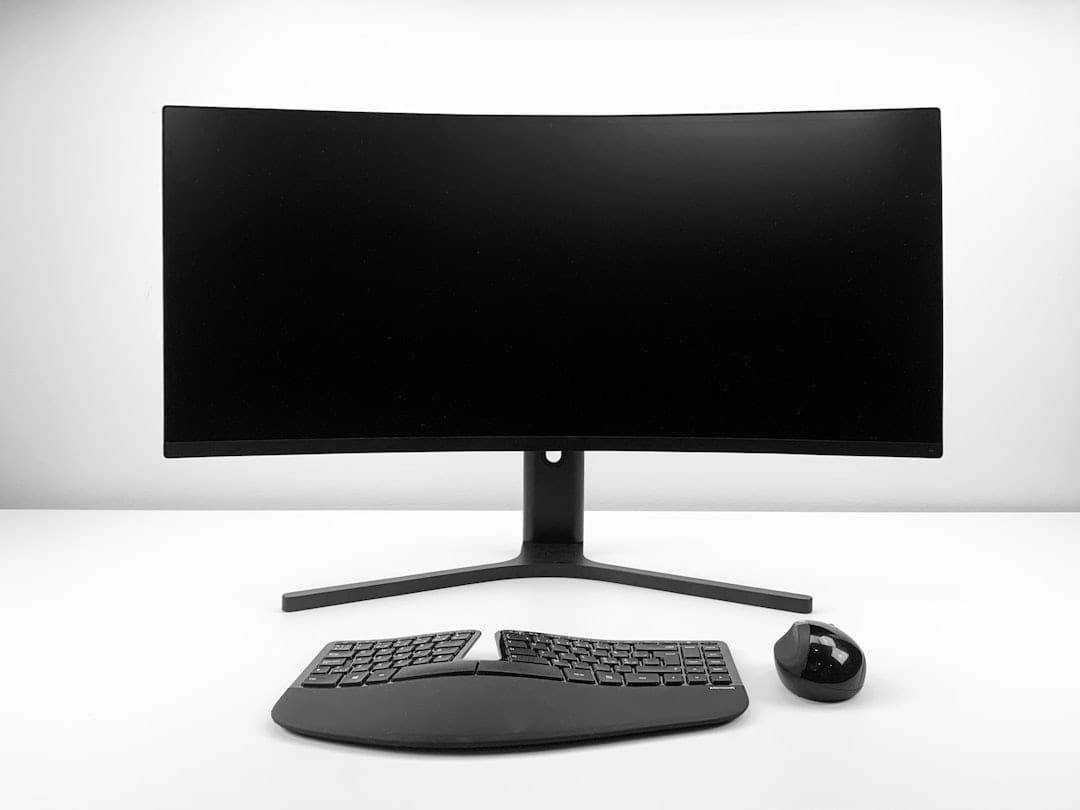
Let’s start with the basics. An ultrawide monitor, typically defined as anything 34 inches or larger with a 21:9 aspect ratio, offers a significantly wider field of view than traditional 16:9 displays. This can be a huge advantage in games that benefit from peripheral awareness - think open-world RPGs, racing sims, and even some competitive titles where spotting enemies is crucial. However, it’s not a universal panacea. The benefits are highly dependent on your gaming habits, resolution, and the specific games you play.
The Good, The Bad, and The Potentially Overrated
The Good: Gaming choices get easier when the decision is tied to mood, platform, or session length instead of trend pressure.
Increased Immersion
This is the primary selling point, and it’s often valid. The wider screen genuinely feels more expansive, pulling you deeper into the game world. It's less about a technical advantage and more about a perceptual one. The better fit is usually the one that matches how you actually play, not just what gets the most hype.
Reduced Eye Strain (Potentially)
With more screen real estate, you can often reduce the amount of horizontal scrolling you need to do, minimizing eye fatigue. This is particularly noticeable in games with large, static HUDs. If this helps you narrow the experience you want rather than chase every release, it is doing useful work.
What To Do Next
Use the ideas above to choose one clear next move, test it in your own situation, and keep refining from there. That approach tends to produce better long-term decisions than trying to solve everything at once.
Keep This Practical
PC upgrades pay off most when they fix the bottleneck you actually feel in play. Start with the part that improves performance, cooling, or comfort in the way you notice every session.