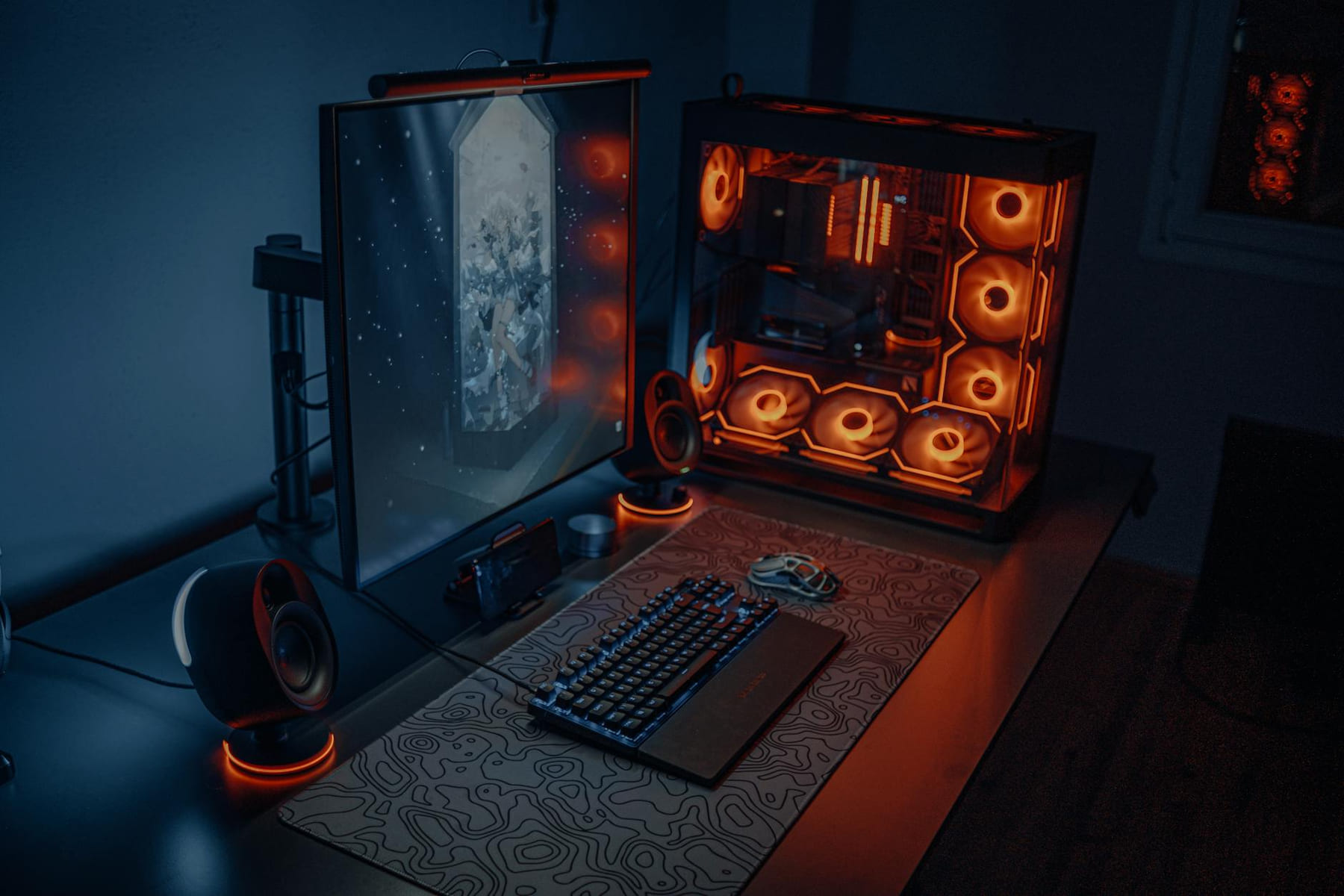
This Frame Rate Vault guide looks at Building PCs through the lens of realistic tradeoffs, simple next steps, and long-term usefulness.
| Item 1 | Item 2 | Item 3 | Item 4 |
|---|---|---|---|
| CPU | Intel Core i9-14900K, AMD Ryzen 9 7950X3D | LGA 1700, 24 Cores/32 Threads, 6.2 GHz (Turbo) | |
| Motherboard | ASUS ROG Maximus Z790, MSI MPG X670E Whisper | LGA 1700, DDR6-8400/10000, PCIe 5.0 x16 | |
| RAM | DDR6-6000, DDR6-6400 (with XMP profiles) | 32GB (2x16GB), CL30 | |
| GPU | NVIDIA GeForce RTX 8000 Series, AMD Radeon RX 9000 Series | PCIe 5.0, 24GB GDDR7 |
0, 24GB GDDR7, Remember to always consult PCPartPicker () for the most up-to-date compatibility information.
Custom PC Building Guides FAQ: Your Starting Point (Building PCs: Guides vs)
Building your own PC is a fantastic way to get exactly the system you want, tailored to your gaming needs and budget. But let’s be honest, it can feel a little overwhelming. Where do you even begin? This guide aims to break down the process, address common questions, and provide a solid foundation for your first build. We’ll cover everything from selecting the core components to troubleshooting potential issues, turning what might seem like a daunting task into a rewarding and achievable project.
This isn't just a list of parts; it’s about understanding why you’re choosing each component and how they work together. Let’s dive in!
The Core Components: Understanding Your Choices
Let’s start with the heart of your PC - the components that actually do the work.
- CPU (Central Processing Unit): This is the brain of your computer. For high-end gaming, the Intel Core i9-14900K and the AMD Ryzen 9 7950X3D are currently top contenders. The 14900K boasts a massive core count (24 cores/32 threads) and impressive clock speeds, making it a powerhouse for demanding tasks. The 7950X3D, on the other hand, utilizes AMD’s 3D V-Cache technology, providing significant performance boosts in games that benefit from large caches. Choosing between them often comes down to price and the specific games you play.
- Motherboard: The motherboard is the central hub that connects all your components. The ASUS ROG Maximus Z790 and the MSI MPG X670E Whisper are excellent choices for high-end builds. They offer robust power delivery, ample PCIe slots for multiple graphics cards and other expansion cards, and support for the latest DDR6 RAM. Socket Type (LGA 1700 for Intel, AM5 for AMD) is crucial, ensuring compatibility with your chosen CPU. RAM support (DDR6-8400/10000) is another key factor - faster RAM can significantly improve performance.
- RAM (Random Access Memory): RAM is your computer’s short-term memory. For gaming, 32GB is generally considered the sweet spot, though 64GB is becoming increasingly common for enthusiasts. DDR6-6000 and DDR6-6400 are popular speeds, with higher numbers indicating faster performance. Latency (CL - CAS Latency) is also important; lower CL values mean faster response times.
- GPU (Graphics Processing Unit): The GPU is responsible for rendering images and videos. The NVIDIA GeForce RTX 8000 Series and the AMD Radeon RX 9000 Series are the current leaders in gaming performance. PCIe 5.0 is the latest standard, offering increased bandwidth for faster graphics cards. Memory size (24GB GDDR7) is crucial for handling high-resolution textures and complex scenes.
Important Note: PCPartPicker () is your best friend. It checks for compatibility between all your chosen components and helps you find the best prices.
Power & Cooling - The Essentials
Calculating your PSU wattage is crucial. Don’t guess! Use a PSU calculator () to estimate your system’s power draw. This tool considers each component’s power consumption and adds a safety margin. Factor in headroom - aim for at least 100-150 watts more than your estimated peak draw. A 850W PSU is often a good choice for a high-end gaming build, but always err on the side of caution.
Thermal management is equally important. Overheating can severely impact performance and even damage your components.
- Air Coolers: These are still a solid choice, especially for mid-range builds. Large tower coolers with multiple heat pipes and fans are effective at dissipating heat.
- Liquid Coolers: Liquid coolers, particularly AIO (All-in-One) systems, are becoming increasingly popular and offer excellent cooling performance. They’re generally easier to install than custom loop systems.
- Dry-Loop Coolers: These coolers use a pump to circulate liquid through a radiator, but the liquid doesn’t directly contact the CPU. They offer a balance between performance and ease of installation.
Experiment with fan curves in your motherboard’s BIOS to optimize cooling performance without excessive noise. A good fan curve will ramp up fan speed as temperatures rise, providing adequate cooling while keeping the system quiet during less demanding tasks.
Beyond the Build - Post-Build & Fine Tuning
Once your PC is assembled, there’s still work to be done.
- Install Drivers: This is *essential*. review and install the latest drivers for your motherboard chipset, graphics card, audio card, and other peripherals from the manufacturer’s websites. Outdated drivers can cause instability and performance issues.
- RGB Synchronization: Sync your RGB lighting using software like AuroraSync 2.0 (Nvidia) or Razer Chroma Connect. These programs allow you to control the colors and effects of your RGB components, creating a cohesive and visually appealing setup.
- Stress Testing: Finally, stress-test your system with tools like FurMark (for the GPU) and Prime95 (for the CPU) to ensure stability. These tools push your hardware to its limits, revealing any potential weaknesses or overheating issues. Monitoring software like HWMonitor can help you track temperatures and fan speeds during stress testing. Look for stable temperatures - ideally, CPU temperatures should stay below 85°C, and GPU temperatures should remain below 80°C.
Troubleshooting Common Issues
- No Power: Double-check all power connections, including the PSU, motherboard, and individual components.
- Boot Issues: Ensure all components are properly seated and connected. Check the motherboard manual for troubleshooting steps.
- Driver Conflicts: Try uninstalling and reinstalling drivers, or using a clean installation.
- Overheating: Adjust fan curves, improve case airflow, or consider upgrading your cooling solution.
Expanding Your Knowledge: BIOS Settings
The BIOS (Basic Input/Output System) is the first software that runs when you turn on your computer. It allows you to configure various settings, such as boot order, CPU overclocking, and RAM timings. While overclocking can boost performance, it can also lead to instability if not done carefully. Research your specific motherboard and CPU to understand the available overclocking options and the potential risks involved.
Component Recommendations & Budget Considerations
Building a custom PC can range from relatively affordable to incredibly expensive. Here’s a rough breakdown of estimated costs (as of April 1, 2026):
- Entry-Level Gaming PC ($800 - $1200): AMD Ryzen 5 7600X, GeForce RTX 4060, 16GB DDR5 RAM, Basic Case
- Mid-Range Gaming PC ($1500 - $2500): Intel Core i7-14700K, GeForce RTX 8000 Series, 32GB DDR6 RAM, Mid-Tower Case
- High-End Gaming PC ($3000+): Intel Core i9-14900K, GeForce RTX 8000 Series, 64GB DDR6 RAM, Premium Case, Liquid Cooler
Remember to factor in the cost of peripherals like a monitor, keyboard, and mouse.
Keep This Practical
A better setup usually comes from one smart hardware decision at a time. Match the upgrade to your games, monitor, and budget instead of chasing every enthusiast talking point.
Tools Worth A Look
The products here work best for readers who want performance, comfort, or setup improvements with a clear gaming payoff.
- GMKtec K15 AI Mini PC Oculink Intel Ultra 5 125U 32GB DDR5 512GB SSD, Desktop Computer AI BoostDOYO Racing Wheel - Gaming Steering Wheel for PC, 270 Degree Driving Simulator Race Xbox Steering Wheel and PedalsRedThunder K10 Wired Gaming Keyboard and Mouse and Wrist Rest Combo, RGB Backlit, Mechanical Feel Anti-ghosting KeyboardAULA F99 Wireless Mechanical KeyboardGawfolk 24.5 Inch PC 200Hz Gaming Monitor, FHD 1080p screen, Built-in speakers
Some of the links on this page are Amazon affiliate links, which means I may earn a small commission if you make a purchase through them. As an Amazon Associate, I earn from qualifying purchases.
Related ReadingMore from Frame Rate Vault

Building PCs: Common Mistakes & How to Dodge Them
Mistakes to Avoid Custom PC Building Mistakes to Avoid: A Step-by-Step Guide So, you’re taking the plunge and building your own PC. Fantast...
Building PCs: Your Frame Rate FAQs
0, 24GB GDDR7, Remember to always consult PCPartPicker () for the most up-to-date compatibility information.
Level Up Your Setup: Gaming Peripherals
make a real difference when they improve comfort, control, and audio clarity. Here is how to think through mice, keyboards, and headsets without getting distr...